When Is a Home Repair an Emergency? And When Can It Wait?
Something goes wrong at home at 9pm. There's water coming through the ceiling. The boiler stops working. A socket starts making a strange noise. A roof tile com...
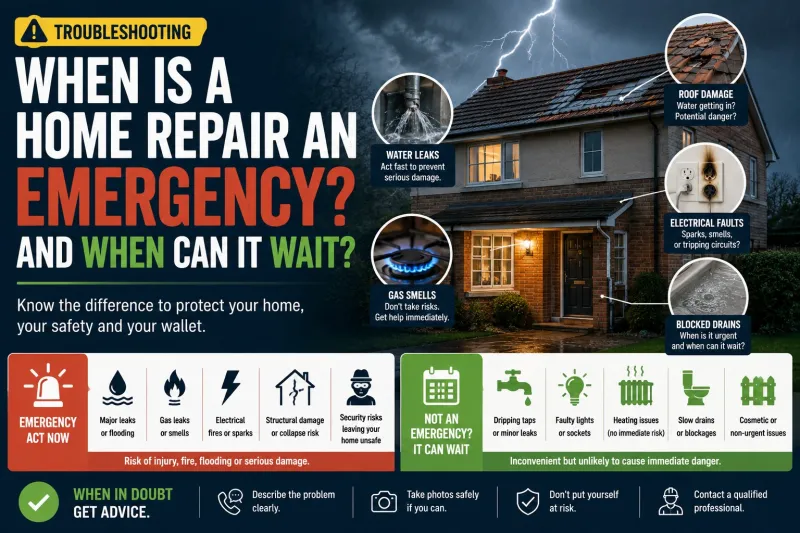
Some problems need immediate attention because delaying could put people at risk or cause significant damage to the property. Others may be frustrating and inconvenient but can safely wait until normal working hours.
Knowing the difference can help homeowners make better decisions when something unexpected happens.What Actually Makes a Repair an Emergency?
A useful way to think about it is to ask three questions:
Is anyone in immediate danger?
Could the situation quickly cause significant damage?
Is an essential part of the home unusable in a way that creates an immediate risk?
If the answer is yes, the situation may require urgent professional help.
An emergency doesn't necessarily mean that something is expensive to repair.
And something being inconvenient doesn't automatically make it an emergency.
The key is the potential consequence of waiting.A Major Water Leak Can Be an Emergency
Water can cause significant damage surprisingly quickly.
A small, contained drip under a sink may be something that can wait for a scheduled plumber.
But uncontrolled water flowing through a property is very different.
A burst pipe, significant leak or water coming through a ceiling can potentially damage floors, walls, electrical installations and personal belongings.
If you have a serious leak, the priority is usually to take safe action to limit the flow of water where possible and then contact an appropriate professional.
If you know where your property's main stop valve is, knowing how to use it can be valuable before an emergency ever happens.
You shouldn't wait until water is already flooding the property to find out.Electrical Problems Should Never Be Treated Casually
Electrical faults can range from minor inconveniences to serious safety concerns.
A single socket that has stopped working may not necessarily require an emergency call-out.
But signs such as:
Burning smells
Smoke
Sparks
Scorch marks
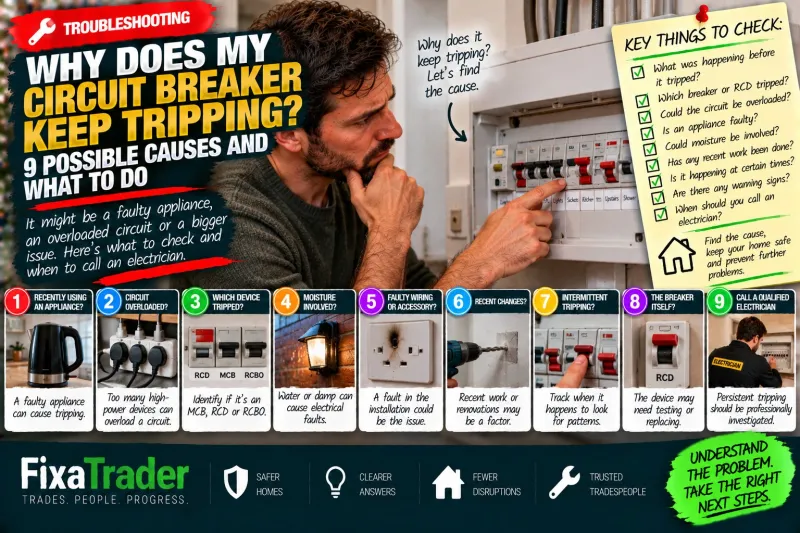
Repeated tripping
Water affecting electrical equipment
Visible damage to electrical components
should be treated seriously.
If there is an immediate danger, don't attempt to investigate or repair electrical equipment yourself.
Avoid touching anything that may be unsafe and seek appropriate help.
When in doubt, it is better to take a potential electrical hazard seriously than assume it will be fine.A Gas Smell Is Different From a Boiler Breakdown
These two situations can both involve the heating system, but their urgency can be completely different.
A boiler breaking down is frustrating, particularly when you have no heating or hot water. Depending on the circumstances, it may need prompt attention, but it isn't automatically the same as an immediate safety emergency.
A suspected gas leak is different.
If you smell gas or suspect a gas-related emergency, follow the relevant emergency guidance and contact the appropriate emergency service or gas emergency provider rather than trying to identify or fix the problem yourself.
Never treat a suspected gas leak as a normal repair job.
The potential safety risk is what makes the situation urgent.Not Every Blocked Drain Needs an Emergency Call-Out
A blocked sink can be unpleasant.
A slow-draining shower can be frustrating.
But these issues can often wait for a normal appointment.
The situation becomes more serious when wastewater is backing up into the property, there is a significant risk of flooding or sanitation is affected in a way that cannot safely be managed.
Again, the difference is the potential consequence of waiting.
A problem that is merely inconvenient may be suitable for a standard booking.
A problem actively causing damage or creating an immediate health or safety concern may need faster attention.Roof Damage Depends on the Risk
Not every missing or damaged roof tile requires an emergency roofer to arrive immediately.
However, severe storm damage, a significant opening in the roof or water actively entering the property may require urgent action.
If part of a roof, gutter or other external structure has become loose and could fall onto people or property, the situation should also be taken seriously.
The important thing is not to put yourself at risk trying to inspect or access a damaged roof.
Working at height is dangerous, particularly during poor weather conditions.
If you're unsure about the severity of the damage, contact an appropriate professional and explain exactly what has happened.
Photos taken safely from ground level may also help them assess the situation.Loss of Heating Isn't Always an Emergency — But Context Matters
Losing heating or hot water can be extremely uncomfortable.
Whether it is an emergency can depend on the circumstances.
The time of year matters.
The weather matters.
Who is living in the property matters.
A healthy adult losing heating during mild weather may be able to wait for a normal appointment.
A vulnerable person, young child or elderly resident without heating during severe cold conditions may face a more urgent situation.
This is why there isn't always one simple answer.
The same technical fault can have different consequences depending on the household and circumstances.Security Problems Can Require Immediate Attention
A broken lock, damaged door or compromised window can become urgent if it leaves the property insecure.
For example, if a door cannot be locked and the home cannot reasonably be secured overnight, arranging urgent help may be appropriate.
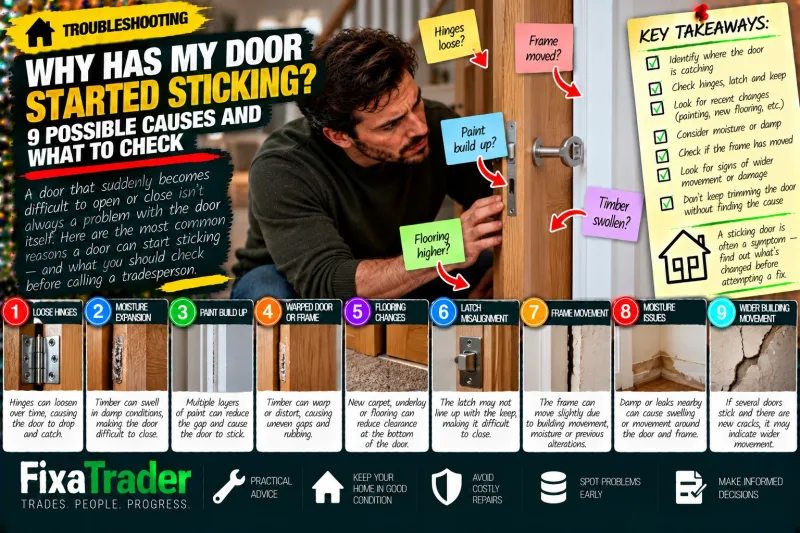
On the other hand, a stiff internal door handle or minor issue with a lock that is still functioning securely may be able to wait.
Ask yourself whether the problem leaves the property or its occupants exposed to an immediate security risk.
If it does, the urgency is much clearer.Structural Concerns Shouldn't Be Ignored
Some problems develop gradually.
A crack in a wall doesn't automatically mean a building is about to collapse.
But sudden, significant changes should not be ignored.
If you notice major movement, a ceiling or structure visibly sagging, a significant collapse or another change that appears to create an immediate risk, keep people away from the affected area and seek appropriate professional advice.
Don't try to diagnose a potentially serious structural problem based solely on what you find online.
A professional inspection may be needed to understand what is actually happening.What Can Usually Wait?
Many home repairs are important without being emergencies.
These can include things such as:
A dripping tap
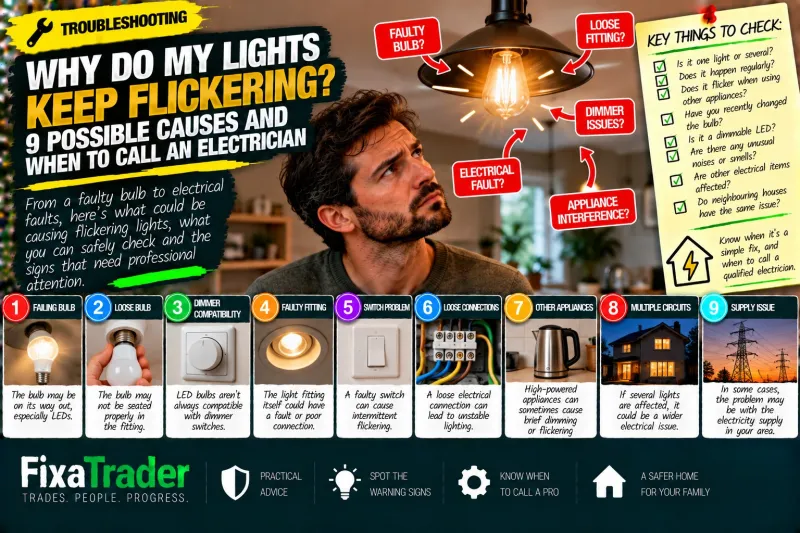
A single faulty light fitting
A minor plumbing leak that has been safely contained
A damaged fence panel that isn't creating an immediate hazard
A broken kitchen cupboard
A slow drain
A boiler issue where safe alternative arrangements are available
Minor roof defects that aren't allowing water into the property
That doesn't mean ignoring them indefinitely.
Small problems can become bigger problems if they're left unresolved.
The difference is that arranging a normal appointment is often more appropriate than paying for an emergency call-out.The Cost of Calling Someone Out Isn't the Only Consideration
When homeowners aren't sure whether something is an emergency, they can sometimes delay because they're worried about the cost.
That's understandable.
Emergency work can be more expensive because a professional may need to respond outside normal working hours or rearrange other commitments.
But the opposite mistake can be more costly.
Waiting too long when water is actively damaging a property or a safety risk is developing can lead to significantly greater consequences.
The goal shouldn't be to avoid emergency call-outs at all costs.
It should be to understand when one is genuinely necessary.Have a Plan Before Something Goes Wrong
One of the most useful things homeowners can do is learn a few basics about their property before an emergency happens.
Do you know:
Where the main water stop valve is?
Where your consumer unit is?
Who to contact if you suspect a gas emergency?
Which professionals you would call for an urgent plumbing, electrical or security problem?
Whether you have relevant insurance details easily available?
You don't need to become an expert in maintaining your home.
But knowing where to find essential information can save valuable time when something unexpected happens.When in Doubt, Explain the Situation Clearly
If you're unsure whether you need an emergency call-out, contact an appropriate professional and explain what is actually happening.
Be specific.
Rather than saying:
"My plumbing is broken."
Explain:
"Water is actively coming through the ceiling below the bathroom and I haven't been able to stop it."
The more accurately you can describe the problem, the easier it is for the professional to understand the potential urgency.
Photos or videos can also be useful where they can be taken safely.
Just don't put yourself in danger to get them.The Difference Is Usually the Consequence of Waiting
Not every repair needs to be fixed immediately.
But some problems become much worse when time is lost.
A useful rule is to focus less on how annoying the problem is and more on what could happen if nothing is done for the next few hours.
Could someone be hurt?
Could the property suffer significant damage?
Is there a fire, electrical, gas, flooding or security risk?
If so, treat the situation seriously and seek appropriate help.
If the problem is contained and waiting is unlikely to create a significant risk, a normal appointment may be the better option.
The aim isn't to panic every time something breaks.
It's to recognise when a problem has moved beyond inconvenience and become something that genuinely can't wait.
0 Comments
No comments yet — be the first to share your thoughts.