Why Are Cracks Appearing in Your Walls and Ceilings? 10 Causes and When to Worry
You notice a thin crack running across the ceiling. Perhaps there's another above a doorway. Or a small line has appeared where two walls meet. At first, you mi...
You notice a thin crack running across the ceiling.
Perhaps there's another above a doorway.
Or a small line has appeared where two walls meet.
At first, you might ignore it.
Then you start wondering whether it was there before.
Has it become longer?
Is the house moving?
Could it be subsidence?
Cracks are among the most common concerns homeowners encounter, particularly in older properties. But they can also appear in relatively new homes.
Some are purely cosmetic.
Others develop because of changes in temperature, moisture or the natural movement of building materials.
And occasionally, cracking can indicate a more significant problem that needs professional investigation.
The important thing isn't simply whether a crack exists. It's understanding where it has appeared, how it's changing and whether other warning signs are present.
Here are ten possible causes and what homeowners should look out for.1. Plaster Shrinkage After Decorating or Renovation
Fresh plaster contains moisture that gradually evaporates as it dries.
During this process, small cracks can sometimes develop, particularly where drying conditions are uneven or the plaster has been applied incorrectly.
These cracks may appear as fine lines across walls or ceilings.
They're often more noticeable after painting, especially under strong natural light.
However, cracking in recently plastered surfaces shouldn't automatically be dismissed as normal.
Wider cracks, loose plaster or repeated cracking may indicate a problem with the application or underlying surface.
What to check:
Is the cracking limited to recently plastered areas?
Are the cracks fine and relatively uniform?
Is the plaster still firmly attached?
Has the cracking continued to develop?
Minor cosmetic cracks may be repairable once the surface is fully dry and stable.
If the plaster is separating, crumbling or repeatedly cracking, ask a competent plasterer to investigate.2. Normal Movement Between Different Building Materials
Your home contains materials that respond differently to temperature and moisture.
Timber, plasterboard, masonry and plaster can expand, contract or move at different rates.
Where these materials meet, small cracks may develop.
Common locations include:
Where ceilings meet walls.
Around door frames.
Along plasterboard joints.
Where an extension joins an existing building.
Around boxed-in pipes or structural features.
These cracks are sometimes more noticeable during seasonal changes.
A fine, stable crack at a junction may be cosmetic.
But cracking that widens, develops displacement or is accompanied by other changes deserves closer attention.3. Settlement in Newer Properties
New buildings can experience some movement as materials dry and the structure adjusts after construction.
This is often described as settlement.
Small cosmetic cracks can appear during the early years of a property's life.
However, it's important not to confuse ordinary settlement with ongoing foundation movement.
The word settlement is sometimes used too casually to explain cracking without proper investigation.
If you live in a relatively new property, record when cracks appear and whether they change.
For significant or persistent defects, contact the developer or builder and review any applicable new-home warranty arrangements.
A new house can develop cosmetic cracks, but its age alone doesn't prove that every crack is harmless.4. Cracks Around Doors and Windows
Doorways and windows are common places for cracks to appear.
Openings interrupt the continuity of a wall, and stresses can concentrate around their corners.
You may notice a diagonal crack extending from the corner of a window or door frame.
Sometimes this is associated with plaster movement.
In other cases, it may relate to movement in the masonry, the supporting lintel or another part of the structure.
Look for additional symptoms.
Does the door suddenly stick?
Has the window become difficult to open?
Are gaps appearing around the frame?
Has the crack widened?
A small, unchanged crack may require only cosmetic attention after its cause has been assessed.
But cracking combined with distorted openings or noticeable movement should be investigated by an appropriately qualified professional.5. Moisture and Water Damage
Water can damage plaster, timber and other building materials.
Leaks from plumbing, roofs, gutters or poorly sealed openings may cause surfaces to deteriorate.
As materials become wet and subsequently dry, cracking or separation can develop.
Look for:
Brown or yellow staining.
Bubbling or peeling paint.
Soft or crumbling plaster.
Damp patches.
Mould growth.
Cracks appearing near a known leak.
The priority is identifying and resolving the source of moisture.
Simply filling and painting over the crack may conceal the symptom without addressing the underlying problem.
If the ceiling is sagging, bulging or heavily saturated, keep people away from the affected area and arrange urgent professional assessment.
Wet electrical fittings or wiring also require particular caution.6. Temperature Changes and Seasonal Movement
Building materials respond to changes in temperature.
Some expand as they warm and contract as they cool.
Repeated movement can contribute to cracking, especially around joints and areas where different materials meet.
For example, fine cracks may become more visible when heating is used regularly during colder months.
They may then appear less noticeable at other times of year.
However, seasonal timing alone isn't enough to establish the cause.
A crack that appears during winter isn't automatically caused by heating.
If it continues widening or is accompanied by structural changes, further investigation may be necessary.7. Poorly Finished Plasterboard Joints
Many modern walls and ceilings use plasterboard.
Where two boards meet, the joint needs to be properly prepared and finished.
If the joint treatment is inadequate or movement occurs, a crack may appear along the seam.
These cracks often follow relatively straight lines.
They may be especially noticeable on ceilings under certain lighting conditions.
In some cases, the problem is limited to the joint finish.
In others, movement in the supporting structure may be contributing.
A plasterer or suitable building professional can assess whether the joint needs repairing or whether something behind the surface requires attention.
Repeatedly applying filler without understanding why the crack returns may not provide a lasting solution.8. Structural Alterations and Previous Building Work
Cracks sometimes appear after renovation work.
Removing walls, creating openings, installing structural supports or constructing extensions can change how loads are transferred through a building.
Properly designed and executed alterations should account for these forces.
But defects, inadequate support or unexpected movement can cause problems.
If cracking develops after structural work, consider:
When the work was completed.
Whether the crack appeared immediately or later.
Whether it is growing.
Whether doors, floors or adjoining walls have changed.
Whether structural design and approval documentation is available.
Don't assume the work is defective simply because a crack has appeared.
Equally, don't dismiss significant cracking without investigation.
Where structural movement is suspected, a structural engineer may be the appropriate professional to assess it.9. Ground Movement and Subsidence
Subsidence occurs when the ground beneath part of a building moves downward, potentially affecting its foundations.
Possible contributing factors include changes in soil moisture, leaking drains, tree-related moisture extraction in susceptible soils and other ground conditions.
Cracking associated with foundation movement may have characteristics such as:
Diagonal or stepped cracks through masonry.
Cracks that widen over time.
Cracks extending through both internal and external surfaces.
Distortion around doors and windows.
Changes in floor levels or other building elements.
However, you cannot reliably diagnose subsidence from a crack's appearance alone.
Not every diagonal crack indicates subsidence.
And some significant movement may initially produce relatively subtle symptoms.
If you suspect subsidence, seek professional advice and consider contacting your buildings insurer before commissioning major repairs.
The insurer may have a specific process for investigating possible movement.10. Problems With Roof Structures or Ceiling Supports
Cracks in ceilings can sometimes relate to movement or defects in the structure above.
Potential issues include changes in roof loading, timber movement, inadequate support or damage to ceiling fixings.
You might notice cracking accompanied by:
A ceiling that appears uneven or sagging.
Separation between the ceiling and adjoining walls.
New movement following roof work.
Unusual noises or visible distortion.
Loose plasterboard or plaster.
These symptoms shouldn't be treated as ordinary cosmetic cracking without assessment.
Avoid entering potentially unsafe roof spaces or attempting to support damaged structural components yourself.
If there is significant sagging, sudden movement or a risk of collapse, keep clear of the area and seek urgent professional assistance.How Can You Tell Whether a Crack Is Serious?
There isn't a single visual rule that determines whether a crack is harmless.
Its width is relevant, but it isn't the only consideration.
A narrow crack that is rapidly developing may be more concerning than an older, wider crack that has remained unchanged for years.
Pay attention to the overall pattern.
Warning signs worth investigating include:
Cracks that suddenly appear or grow quickly.
Cracks becoming noticeably wider or longer.
Displacement, where one side sits forward of the other.
Stepped cracking through external brickwork.
Several cracks appearing together.
Doors or windows suddenly becoming difficult to operate.
Floors becoming noticeably uneven.
Cracking accompanied by bulging or sagging surfaces.
These signs don't automatically confirm structural failure.
But they provide reasons to seek a professional assessment rather than relying on cosmetic repairs.How to Monitor a Crack Safely
If a crack appears minor and there are no urgent warning signs, recording changes can help establish whether it is stable.
You don't need specialist equipment to begin documenting what you see.
A simple approach is to:
Photograph the crack clearly.
Record the date and its location.
Place a ruler beside it for scale when taking photographs.
Note whether nearby doors, windows or surfaces have changed.
Compare photographs over time.
Seek professional advice if the crack develops or other symptoms appear.
Try to take photographs from similar positions and under similar lighting conditions.
This makes comparisons more useful.
Don't deliberately widen a crack to inspect it, remove structural materials or attempt repairs that could conceal evidence of ongoing movement.
If the crack is significant or changing rapidly, don't wait weeks to collect more photographs before seeking advice.Should You Fill a Crack Yourself?
Some fine cosmetic cracks can be repaired using suitable preparation and filler.
But it's worth establishing that the crack is stable and non-structural first.
If movement is continuing, a cosmetic repair may fail again.
For minor surface defects, appropriate preparation can include removing loose material, cleaning the affected area and following the repair product's instructions.
Different surfaces and joint types may require different repair methods.
A crack at a plasterboard joint, for example, may need more than ordinary surface filler.
Avoid filling cracks simply to hide them when the underlying cause remains uncertain.
If the crack is accompanied by moisture, distortion or suspected structural movement, investigate the cause before redecorating.Which Tradesperson Should You Contact?
The right professional depends on the symptoms.
A plasterer may be suitable for minor cosmetic cracking or defective plaster finishes once underlying movement and moisture problems have been ruled out.
A roofer may be appropriate where cracking is associated with a roof leak or suspected roof defect.
A plumber can investigate suspected plumbing leaks contributing to water damage.
A builder may be able to investigate defects associated with previous construction work or masonry, depending on their expertise.
A structural engineer is often the appropriate choice where cracking suggests structural movement, foundation problems or concerns about load-bearing elements.
For possible subsidence, contacting your buildings insurer may also be an important early step.
You don't always need the most specialist professional for every hairline crack.
But choosing someone with the appropriate competence is essential when the cause could be structural.What About Cracks in External Brickwork?
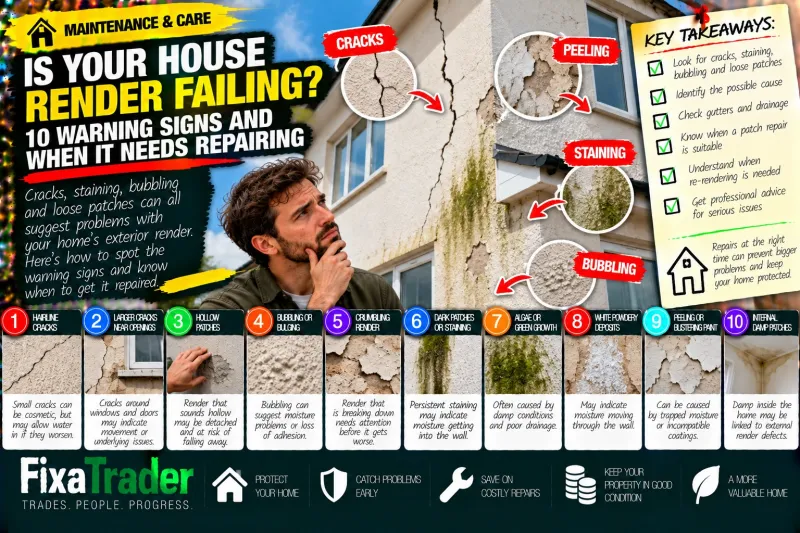
External cracks deserve particular attention because they can provide clues about movement affecting the building.
However, masonry can crack for several reasons.
These include thermal movement, moisture-related changes, inadequate movement joints, corrosion of embedded components and foundation movement.
Look at whether the cracking follows mortar joints or passes through bricks.
Consider whether it appears around openings or at junctions between different parts of the property.
Also check whether the same area shows internal cracking.
These observations may help a professional assess the situation, but they aren't sufficient for a reliable diagnosis on their own.
Avoid repointing significant cracks before understanding their cause.
If movement continues, fresh mortar may simply crack again.When Should You Contact Your Buildings Insurer?
If you suspect subsidence or another potentially insured form of structural damage, review your buildings insurance policy and contact your insurer promptly.
Different policies have different terms, exclusions and reporting requirements.
Your insurer may arrange an inspection or advise you on the next steps.
Keep photographs, dates and any relevant reports.
Avoid commissioning substantial remedial work without checking how it could affect your claim, unless immediate action is necessary to protect people or prevent further damage.
Insurance cover isn't guaranteed simply because cracking has occurred.
The cause and policy terms will determine what applies.Don't Ignore Cracks, but Don't Assume the Worst
Discovering a crack in your home can be unsettling.
It's easy to imagine expensive structural repairs, particularly when searching online for possible causes.
But many cracks are associated with ordinary material movement or cosmetic defects.
The challenge is recognising when the situation requires more attention.
Look at the location.
Consider when the crack appeared.
Monitor whether it changes.
And pay attention to accompanying symptoms.
A small, stable crack in plaster may be straightforward to repair.
A rapidly widening crack combined with sticking doors, distorted masonry or sagging ceilings deserves a very different response.
The aim isn't to diagnose every problem yourself.
It's to recognise what you're seeing, document useful information and involve the right professional when necessary.
A crack doesn't automatically mean your home has a serious problem — but understanding why it appeared is always more valuable than simply covering it up.
0 Comments
No comments yet — be the first to share your thoughts.